44 reading food labels cholesterol
How to read food labels: MedlinePlus Medical Encyclopedia If a label says that a food has 100 mg of sodium, this means it has about 250 mg of salt. You should eat no more than 2,300 mg of sodium per day. This is the amount of sodium that is in 1 measuring teaspoon of table salt. Ask your health care provider if you should have even less. The % daily value is included on the label as a guide. Interactive Nutrition Facts Label The Nutrition Facts label on food and beverage packages shows the amount in milligrams (mg) and the % Daily Value (%DV) of cholesterol per serving of the food. The Daily Value for cholesterol is less than 300 mg per day. Compare and choose foods to get less than 100% DV of cholesterol each day. And remember:
How to Read Food Labels for a Heart-Healthy Diet The correct answer is Servings per container "A lot of people don't pay attention to serving size when they read nutrition labels, so they wind up getting double, triple or even quadruple the amount of calories, carbs, fats and so on that they think they are," says Johns Hopkins exercise physiologist Kerry J, Stewart, Ed.D.

Reading food labels cholesterol
Easy Guide to Understanding Food Labels When You Have High Cholesterol ... This means that your food may contain trans-fat even if the food label says 0 gram. Therefore it's important to check the ingredient list (more on this later). Cholesterol guidelines currently recommend having not more than 300 milligrams of cholesterol per day, and if you have heart disease, aim for less than 200 milligrams per day. 2. How to Tell If Foods Are Low or High Cholesterol - Verywell Health Each food label should include milligrams (mg) of cholesterol per serving. Don't forget to look at the serving size as well. Sometimes products can seem low in cholesterol, but if you eat more than the recommended servings at one sitting, then you can end up consuming a lot more cholesterol than you intended. Reading Food Labels | ADA - American Diabetes Association Reading Food Labels. Understanding Food Labels. It’s time to decode those food claims. ... Low cholesterol vs. reduced cholesterol. It’s confusing, and it can be tough when you’re trying to make the right choices. Put food labels to work. The Nutrition Facts labels on foods are really the key to making the best choices. We’ll cover the ...
Reading food labels cholesterol. A Guide to Reading Food Labels - University of Rochester Feb 27, 2013 · Food Labels Reading food labels can help you make wise food choices. Most foods list nutrition information on the package label, called Nutrition Facts. ... They may raise your blood cholesterol level, which can increase your risk of heart disease. Choose foods containing less than 10% of calories from saturated fat. How to read food labels | healthdirect Sugar: Sugar is a type of carbohydrate. It is better to choose healthier carbohydrates and to limit foods that are high in added sugars. Fibre: High fibre foods such as wholegrain bread and cereals improve digestion and help you to feel full. Sodium: This tells you how much salt the product contains. Eating too much salt is linked to high blood pressure and can lead to heart disease, … Food Labeling: Revision of the Nutrition and Supplement Facts Labels May 27, 2016 · (Response) In the notice on Food Labeling: Revision of the Nutrition and Supplement Facts Labels; Reopening of the Comment Period as to Specific Documents (80 FR 44302), we reported on the results of our consumer study “Experimental Study of Proposed Changes to the Nutrition Facts Label Formats” related to key aspects of the changes we ... Food Labels (for Teens) - Nemours KidsHealth Food labels provide more than just nutrition facts. They also tell you what's in a packaged food (i.e., the ingredients). People with food allergies need to check ingredient lists to avoid foods that can cause an allergic reaction. ... Cholesterol is important to make vitamin D and some hormones, and to building healthy cells. The liver makes ...
DECODING LABELS: So Delicious Coconut Milk - Food Renegade Apr 16, 2015 · Kristen Michaelis CNC has been a Health and Nutrition Educator since 2008. Founder and CEO of Food Renegade, she's a passionate advocate for REAL FOOD-- food that's sustainable, organic, local, and traditionally-prepared according to the wisdom of our ancestors.She earned a Bachelor of Arts (summa cum laude) from Dallas Baptist University in … How to read food labels Information | Mount Sinai - New York This number is important for people who are trying to get less salt in their diet. If a label says that a food has 100 mg of sodium, this means it has about 250 mg of salt. You should eat no more than 2,300 mg of sodium per day. This is the amount of sodium that is in 1 measuring teaspoon of table salt. How to read food labels | UF Health, University of Florida Health If a label says that a food has 100 mg of sodium, this means it has about 250 mg of salt. You should eat no more than 2,300 mg of sodium per day. This is the amount of sodium that is in 1 measuring teaspoon of table salt. Ask your health care provider if you should have even less. The % daily value is included on the label as a guide. How to Understand and Use the Nutrition Facts Label | FDA - U.S. Food … Feb 25, 2022 · People look at food labels for a variety of reasons. ... The following label-reading skills are intended to make it easier for you to use the Nutrition Facts labels to make quick, informed food ...
Understanding Food Nutrition Labels | American Heart Association 1 - Start with the serving information at the top. This will tell you the size of a single serving and the total number of servings per container (package). 2 - Next, check total calories per serving and container. Pay attention to the calories per serving and how many calories you're really consuming if you eat the whole package. How to Read the Nutrition Facts Label on Packaged Foods Limit salt to 2,300 milligrams (about 1 teaspoon) daily. If you have high blood pressure, kidney disease, or diabetes, or are African-American or older than 51, your daily limit is lower: 1,500... PDF Interactive Nutrition Facts Label - Cholesterol Interactive Nutrition Facts Label • March 2020 Cholesterol 1 Cholesterol What It Is Cholesterol is a waxy, fat-like substance found in all cells . of the body. Cholesterol is produced by the body (primarily by the liver) and is also consumed from food, referred to as "dietary cholesterol." The Basics of the Nutrition Facts Label - Academy of Nutrition and ... Mar 04, 2022 · Low is 5% or less. Aim low in saturated fat, trans fat, cholesterol and sodium. High is 20% or more. Aim high in vitamins, minerals and dietary fiber. Step 4: Check Out the Nutrition Terms. Low calorie: 40 calories or less per serving. Low cholesterol: 20 milligrams or less and 2 grams or less of saturated fat per serving.
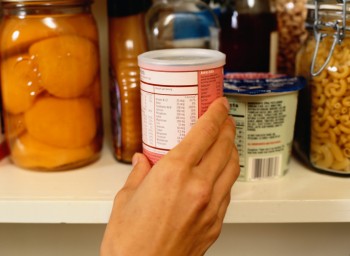
Can Reading Food Labels Help You Get Healthy? - CDiabetes.com - Cardio and Diabetes Healthy ...
› how-to-read-food-labelsHow to read food labels | healthdirect Saturated fats are linked to an increased risk of heart disease and high blood cholesterol, so it is especially important to choose foods low in saturated fat. Carbohydrate (total): Carbohydrates are found in all fruit and vegetables, all breads and grain products, and sugar and sugary foods. You need carbohydrates for energy. Click to open PDF.

uhealth: Buyer beware… Health Claim or Advertising Strategy
PDF Food Label Tip: Choose Low Saturated Fat Trans Fat and Cholesterol of saturated fat and cholesterol. In general, 5% or less is low. Twenty % or more is high. Also choose foods with no or low amounts of trans fat. Compare these two food labels: Whole Milk Fat-Free Milk. Ft e. These food labels are for one serving of milk: 1 cup (8 ounces). Fat-free milk has the lowest % of saturated fat and cholesterol.

How to Read Food Labels
Reading Food Labels - Regional Cardiovascular Rehab Facts about reading food labels. Nutrition labels provide information on key nutrients, like fat, carbohydrates, sodium, vitamins, and minerals, and can help you make informed decisions. ... Saturated and trans-fats have been shown to increase cholesterol levels in the blood, which can lead to narrowing and hardening of the arteries. For more ...
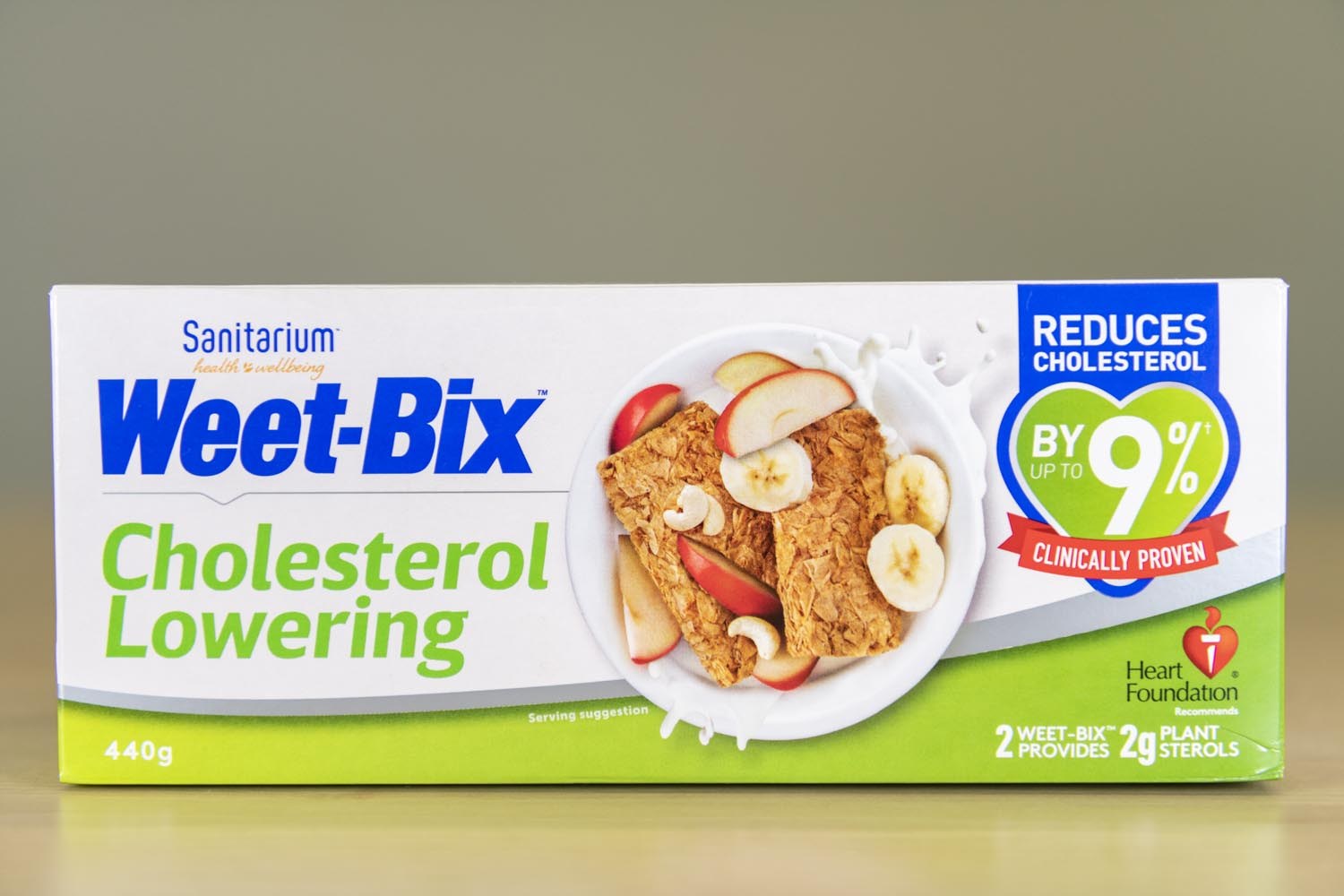
Food labelling overview | Obesity Evidence Hub
Food Labels: Fat & Cholesterol | Home & Garden Information Center Quick Guide to % DV makes it easy to choose foods. It tells you that 5% DV or less of a nutrient is low, and 20% DV or more is high. For all nutrients that you want to limit (e.g., total fat, saturated fat, trans fat, cholesterol and sodium), choose foods often that contain 5% DV or less of these nutrients.
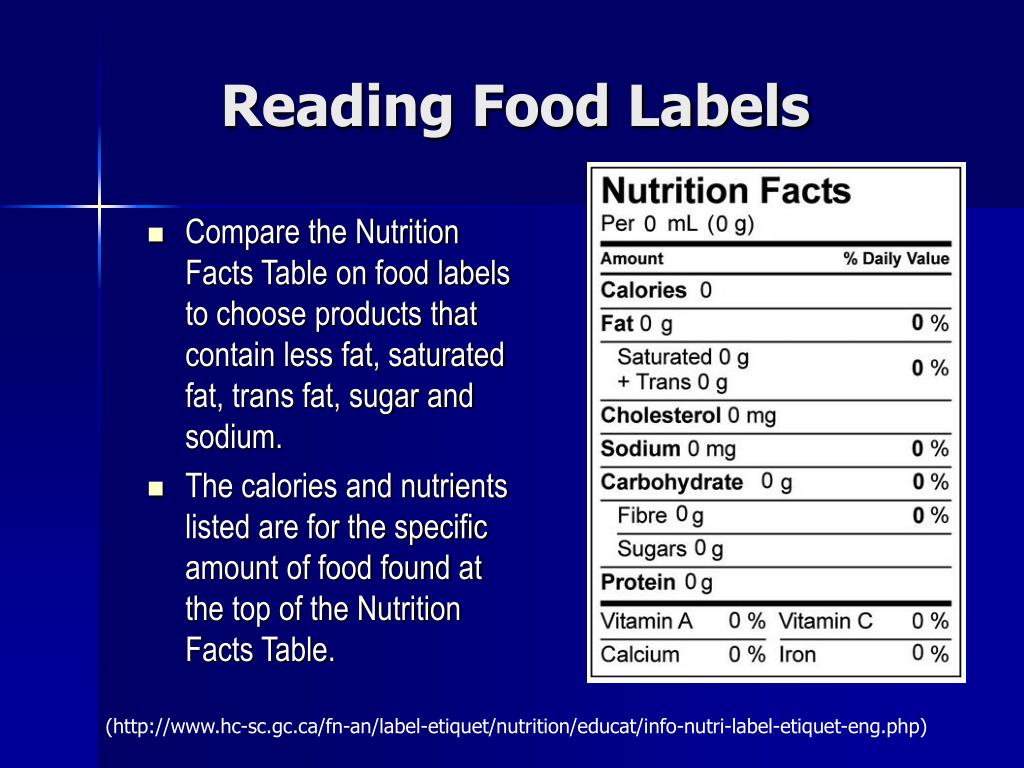
PPT - Nutrition and Older Adults: Issues among Community and Long-Term Care Residents PowerPoint ...
› medialibraries › urmcmediaA Guide to Reading Food Labels - University of Rochester Feb 27, 2013 · a single serving of this food come from fat. Due to its high fat content, this food is not a healthy choice. Limit These Nutrients . Americans typically eat too much saturated fat, trans fat, cholesterol, and sodium, which can increase the risk for heart disease, cancer or diabetes. Total fat is important to watch, but saturated fat and trans ...
.jpg)
Raising Good Cholesterol Levels Reduces Heart AttackStroke Risk in T2 Diabetes Patients ...
Reading Cholesterol On Food Labels - Cholesterol Reading Cholesterol On Food Labels. Smoking cigarettes or using various other tobacco products has been received many research studies to elevate LDL cholesterol degrees and decrease HDL cholesterol levels. This is why stopping smoking cigarettes is so crucial. Other factors to cholesterol consist of weight problems, physical lack of exercise ...
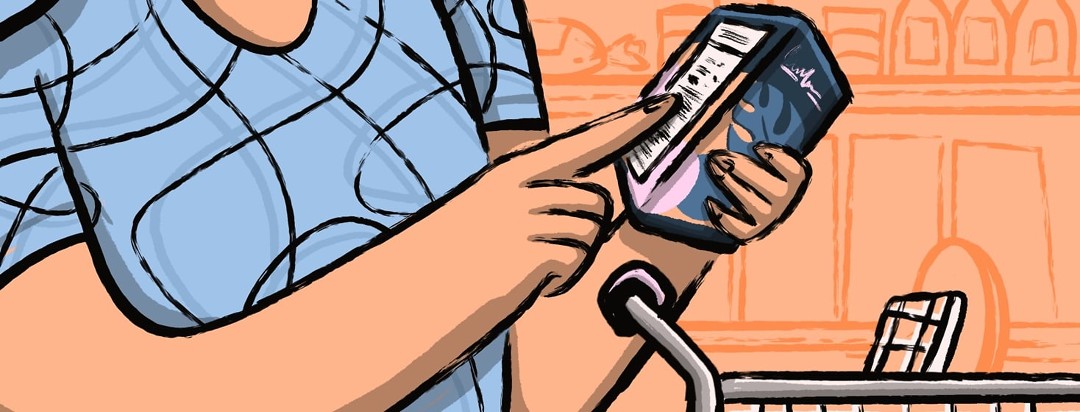
Reading Food Labels and Managing Type 2 Diabetes
How To Read Food Labels Cholesterol - Cholesterol The therapies for high cholesterol entail drugs as well as healthy lifestyle improvements. The healthy way of life renovations contain a well balanced diet, regular physical activity, and also weight control. How To Read Food Labels Cholesterol. Diet plan is the foundation of cholesterol control. There are a number of essential foods to think ...

New Food Label Poster - Nutrition Facts Label Poster in 2020 | Food labels, Reading food labels ...
Reading Food Labels - What You Need to Know - Drugs.com Care guide for Reading Food Labels. Includes: possible causes, signs and symptoms, standard treatment options and means of care and support. ... "Reduced" or "less" fat: At least 25 percent less fat, when compared to a similar food. Cholesterol: "Cholesterol free": Less than two mg of cholesterol per serving. "Low cholesterol": Twenty (20) ...
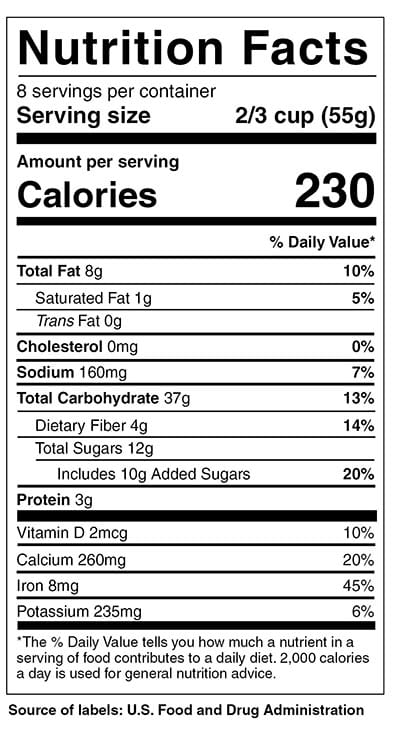
How to read food labels | Heart Failure
Making Sense of Food Labels | ADA - diabetes.org Trying to figure out nutritional information on labels and packaging isn’t easy. The good news is that we can help. These food labels are especially helpful if you use carb counting to plan your meals! If you get tripped up on food content claims, you’re not alone. Fat free vs. low fat vs. reduced fat. Low cholesterol vs. reduced cholesterol.

Reading Food Labels - Mariposa Naturals
PDF How to Read the Food Label - Risk Services Cholesterol. Cholesterol is in foods from animal sources, such as meats, poultry, fish, eggs, and dairy. Try to keep your cholesterol intake to less than 300 milligrams (mg) per day. A low-cholesterol food has less than 20 mg per serving. Sodium. Too much sodium (salt) may raise your blood pressure. Less than 2,300 mg of sodium each day . is ...

How to Read a Food Label | Reading food labels, Nutrition facts label, Nutrition labels
› en › healthy-livingUnderstanding Ingredients on Food Labels | American Heart ... Mar 06, 2017 · These fats raise your bad cholesterol (LDL) and decrease your good cholesterol (HDL). Some experts say you should choose foods with five or fewer ingredients. While this “five-limit rule” has gotten a lot of attention lately, Kris-Etherton said there’s no reason to complicate your label reading to this degree.

SHARING Very Important piece of information I got.. READING #nutrition labels is most #important ...
Reading Food Nutrition Labels 101 and How to Decode Them Low cholesterol - 20 milligrams or less of cholesterol and 2 grams or less of saturated fat per serving. The manufacturers call it sodium, but everyone knows it is plain old salt. Limit the high sodium foods you eat, aiming for a daily intake of 2400 milligrams or less. Sodium-free - less than 5 milligrams per serving

How To Read A Food Label Handout
kidshealth.org › en › teensFood Labels (for Teens) - Nemours KidsHealth Food labels provide more than just nutrition facts. They also tell you what's in a packaged food (i.e., the ingredients). People with food allergies need to check ingredient lists to avoid foods that can cause an allergic reaction. Some food labels also state which country the food came from, whether the food is organic, and certain health claims.
How-To Guide for Reading Food Labels
PDF How Do I Understand the "Nutrition Facts" Label? Saturated Fat — is considered a "bad" fat. Eating too much can raise your cholesterol level (and LDL or bad cholesterol) and your risk of heart disease and stroke. Limit your saturated fat intake to less than 5 to 6% of your total calories. For a person who needs 2,000 calories
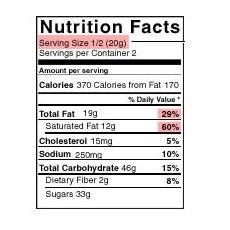
14 cholesterol facts YOU should know - Rediff Getahead
› food › new-nutrition-facts-labelHow to Understand and Use the Nutrition Facts Label | FDA Feb 25, 2022 · People look at food labels for a variety of reasons. ... The following label-reading skills are intended to make it easier for you to use the Nutrition Facts labels to make quick, informed food ...
Post a Comment for "44 reading food labels cholesterol"