45 how to read uk nutrition labels
Understanding food labels - Diabetes UK The labels show how many calories are in the food or drink and are also colour coded to show whether the food is low (green), medium (amber) or high (red) in fat, saturated fat, sugar and salt. The information on the front of the pack also tells you how the portion of the food contributes to the Reference Intake (RI) of an adult. How to Read Food Labels | Institute of Health Sciences Some front-of-pack nutrition labels use red, amber and green colour-coding. Colour-coded nutritional information, as shown in the image above, tells you at a glance if the food has high, medium or low amounts of fat, saturated fat, sugars and salt. Red means high Amber means medium Green means low
Understanding Food Nutrition Labels | American Heart ... The U.S. Food and Drug Administration (FDA) regulates the Nutrition Facts label seen on packaged foods and drinks. In 2016, the FDA released changes to the label to make it easier to see how many calories and added sugars are in a product and to make serving sizes more realistic.
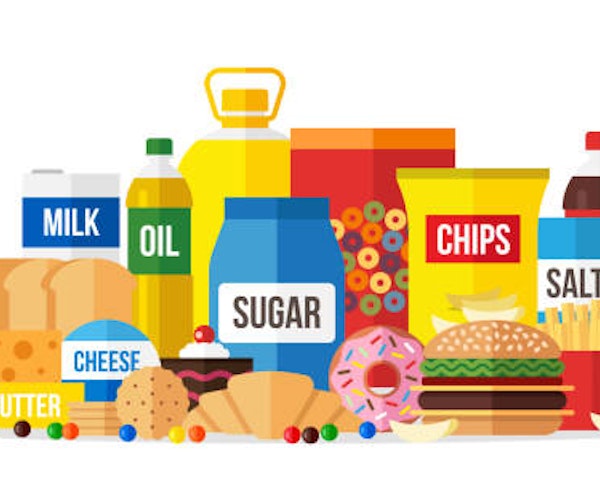
How to read uk nutrition labels
Food labels - NHS Some front-of-pack nutrition labels use red, amber and green colour coding. Colour-coded nutritional information tells you at a glance if the food has high, medium or low amounts of fat, saturated fat, sugars and salt: red means high amber means medium green means low In short, the more green on the label, the healthier the choice. How To Read Nutrition Labels (Like a Pro) - Ditch The Carbs Firstly you need to understand the difference between total and net carbs. TOTAL CARBS = sugars + starches +fibre NET CARBS = total carbs - fibre Carbohydrates will be on the nutrition label are often broken down into carbohydrates, sugars, starch, and fiber. However, each brand may display its nutritional contents differently. 3 Ways to Read Nutrition Facts on Food Labels - wikiHow To interpret what the daily values and percentages actually refer to, start by checking the serving size listed at the top of the label. This number will help you figure out how much sugar, fat, and other nutrients are actually inside the container that you're holding.
How to read uk nutrition labels. 10 tips for understanding food labels - Heart Matters magazine Here are 10 easy tips to help you read back-of-packet labelling: 1. Read the ingredients list Most pre-packaged foods have an ingredients list on the back of the packet. Everything that goes into your food will be listed in weight order from biggest to the smallest. Reading Nutrition Labels - Cronometer Serving sizes measured in grams, including a 100g serving size option Vitamin C, Vitamin A, Calcium, Iron %DV (based on 2000 kcal diet) This percentage is listed as the % of the RNI which is different than that of American targets. We will always report the numeric value (not the percent) in CRDB foods. Carbohydrates reported do NOT include fibre. How to Read a Nutrition Label - Kellogg's Toward the bottom of each label you'll find the percentage of vitamins and minerals that accompany every serving, with a higher percentage indicating that there is more of a vitamin or mineral in that food. These vitamins and minerals serve many functions in your body. And to help keep it working properly, you need a variety of these nutrients. How to Read Food Labels Without Being Tricked Reading labels can be tricky. Consumers are more health-conscious than ever, so some food manufacturers use misleading tricks to convince people to buy highly processed and unhealthy products.
How to read food labels - CNM College of Naturopathic Medicine You can determine the amount of sugar in a product by looking at "sugars" underneath the carbohydrates section in the nutritional panel. Every 4 grams of sugar equates to 1 teaspoon of (table) sugar. So, for example, if a product has 16g of sugar per serving, it actually contains 4 teaspoons of sugar. How to Read a Nutrition Label | Reading food labels ... Keto Diet Plan. How to Read Nutrition Labels on The Low Carb Ketogenic Diet - Mee Le, PharmD. Remember when we #KeepitKeto, we want to keep our carbs very low and our fat high. Ideally you want to eat real food as close to natural as possible, but the reality is most people buy packaged food on a regular basis. And carbs like to hide in our foods. How to Read Nutrition Labels in 2019 - Healthline While knowing how to interpret nutrition facts can lead to a better diet, a lack of understanding can render the labels useless. "When I speak to my clients about shopping and label reading ... Young Adults Don't Read Food Labels -- Are They Even ... In a survey of 1,800 Americans in the Minneapolis-St. Paul area aged 25-36, about a third (31.4%) said they used the Nutrition Facts label found on most foods and beverage packages "frequently ...
Nutrition Facts Labels - How to Read - For Kids - Dr ... Nutrition Facts Labels - How to Read - For Kids - Animation for American Nutrition facts labels explained. EU Nutrition Facts Templates - Ingredients List Label ... EU Standard Nutrition Facts Label European Union regulations require that you declare energy, protein, fat, saturated fat, carbohydrates, sugars, and salt. Voluntary nutrients may be shown if they are present in significant amounts. The regulations allow several variations in the labeling format. This Is How to Read a Nutrition Facts Label on the Keto ... Some labels show both, but it's simpler to assess using the percentage figure. You may also hear about RDI (Reference Daily Intake) and DRV (Daily Reference Values), which essentially mean the same thing as Percent Daily Value [ * ]. Ingredients List The ingredient list is usually found below or next to the nutrient breakdown. How to read a food label | Dietitian UK A food label should be able to tell you: what the food is a 'best before' or 'use by' date how it should be stored provide cooking directions, if necessary a list of the ingredients in order of most to least in quantity any allergens such as milk, eggs, nuts, wheat written in bold.
How to Read Nutrition Labels
How to understand Nutrition food labels (EU/UK) — Gemma ... Here enters the need for nutrition labels, and some code to decipher what they mean: Energy. Energy free - less than 4kcal (17kJ) per 100ml. Reduced energy - at least a 30% reduction from the original product/compared product. Low energy - less than 40kcal (170kJ) per 100g for solids OR <20kcal (80kJ) per 100ml for liquids.
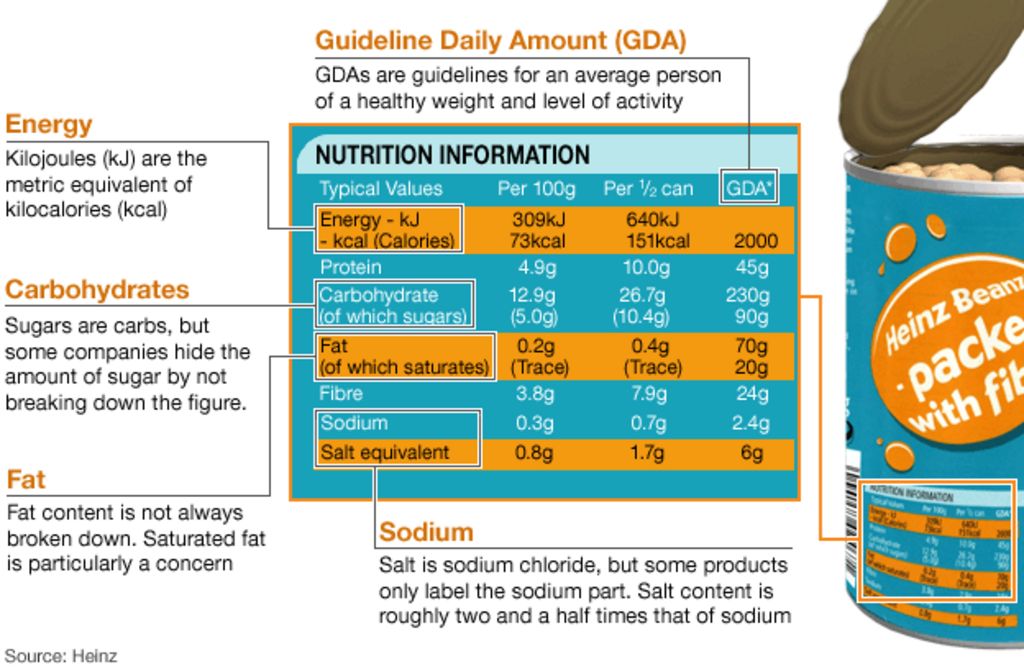
Food labelling: What does it say on the tin? - BBC News
How to Read a Food Label to Make Sure It's Keto in 3 Easy ... To learn how to read food labels like a keto pro, we'll also be going over the whys so you can be confident in making the right food choices every time. Step 1. Read the Ingredient List Food manufacturers are required by the FDA to list ingredients in order of predominance by weight.

nutrition lesson plan- drinks food labels | Drink | Nutrition Facts Label
42 how to read calories on labels How to Read a Nutrition Facts Label - WebMD It may be black and white, but the Nutrition Facts label on boxes and bags of food can be far from simple. Many people say the chart confuses them. Still, it's an important tool to make sure the ... A Guide to Reading Food Labels - University of Rochester 27.02.2013 · Calories .

Reading Food Labels
Reading labels | Diabetes UK Always look at the 'total carbohydrate' on the label when carb counting. This will make sure you are counting both the complex (starchy) and simple (sugary) carbs in your food. Both will raise your blood glucose (blood sugar) levels, and need to be matched with insulin.

Here's how to read nutrition labels correctly to help in choosing healthy foods
Food labelling - get into the habit of checking the label Some products also have colour coding on the front, which tells you at a glance if the food has high (red) , medium (amber) or low (green) amounts of fat, saturated fat, sugars and salt. The more green(s) on the label, the healthier the choice. How the label works. Look for five key points on the label: 1. Energy

Reading and Understanding Food Nutrition Labels – Addicted to Fitness Athletics
How to decode a food label - BBC Future Some nations, like the UK, have a traffic light system for nutrition that expresses how healthy a processed food is in terms of fat, saturates, sugars and salt, using the colours red, amber and green.

How to Read Nutrition Labels - YouTube
How To Read Food and Beverage Labels | National Institute ... At the top of the Nutrition Facts label, you will find the total number of servings in the container and the food or beverage's serving size. The serving size on the label is based on the amount of food that people may typically eat at one time and is not a recommendation of how much to eat. Read more about serving and portion sizes.

how to read a nutrition label
Differences between EU and US nutrition labels go far ... In the US, nutritional labels must indicate the number of servings per container - so calories are broken down based on how many slices of bread come in a package, or how many 12-chip portions a...
Resource Materials on Nutrition Labelling
How To Read Nutrition Labels Like a Dietitian [Infographic] How To Read Nutrition Labels Like a Dietitian. Nutrition labels are great; they help you figure out the ingredients and nutritional composition of a food product. Sometimes, though, they can be a bit deceitful. That snack may look healthy with only 6% of your daily saturated fat intake and 5% of your sodium, but take a closer look, and you ...
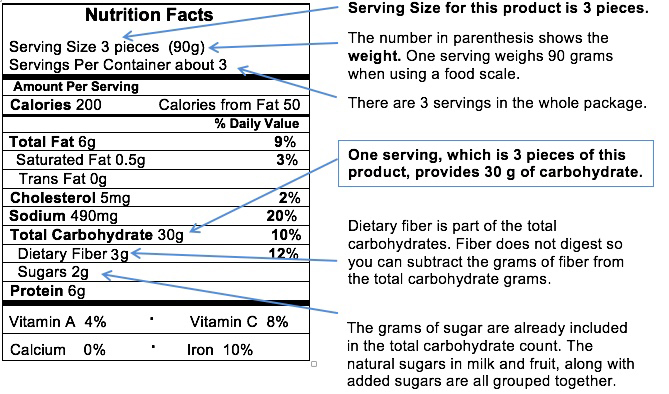
Learning To Read Labels :: Diabetes Education Online
How to Understand and Use the Nutrition Facts Label | FDA When looking at the Nutrition Facts label, first take a look at the number of servings in the package (servings per container) and the serving size. Serving sizes are standardized to make it easier...

How to Read Nutrition Labels | Cooking Light
3 Ways to Read Nutrition Facts on Food Labels - wikiHow To interpret what the daily values and percentages actually refer to, start by checking the serving size listed at the top of the label. This number will help you figure out how much sugar, fat, and other nutrients are actually inside the container that you're holding.

How to read a nutrition label
How To Read Nutrition Labels (Like a Pro) - Ditch The Carbs Firstly you need to understand the difference between total and net carbs. TOTAL CARBS = sugars + starches +fibre NET CARBS = total carbs - fibre Carbohydrates will be on the nutrition label are often broken down into carbohydrates, sugars, starch, and fiber. However, each brand may display its nutritional contents differently.

How to read a nutrition label
Food labels - NHS Some front-of-pack nutrition labels use red, amber and green colour coding. Colour-coded nutritional information tells you at a glance if the food has high, medium or low amounts of fat, saturated fat, sugars and salt: red means high amber means medium green means low In short, the more green on the label, the healthier the choice.

How to Read Nutrition Labels and What to Look Out For – HighKey

How to Read and Understand Nutrition Labels | Learn It Live

Are we making progress in adding ingredient labels to wine? | Wine Curmudgeon

To Buy or Not To Buy: Trix Are For Kids? - Not so fast

How To Read A Food Label
Post a Comment for "45 how to read uk nutrition labels"